Skylights & rooflights in Cudworth
Cudworth's roofs are mostly brick-built housing under slate and tile, from older terraces to post-war semis. Across Cudworth, Upper Cudworth and Shafton we put in and replace skylights, roof windows and flat rooflights, and each quote lists which parts will need replacing and the method.

Three roof problems we plan for in Cudworth
Cudworth stretches out across open country north-east of Barnsley, with Upper Cudworth, Shafton Two Gates and Shafton running into it. Open ground means little shelter, so a rooflight here is often judged by how it copes with wind and the long run of weather across it.
-
Brick terraces with deep, dim middles
A terrace is long and narrow, and its middle rooms sit far from the street and from the back garden. Daylight is thinnest in the stairwell and the room behind the front parlour, and these are the rooms where a roof window set in the back slope, or a small rooflight, does the most good.
-
Exposed slopes with nothing to break the wind
Where houses sit on open edges of the village, rain arrives hard and sideways. We look at which way a slope faces and choose a flashing and a glazing bar that shed water well in that direction, instead of fitting what suits a sheltered roof.
-

Flat roofs added when the family grew
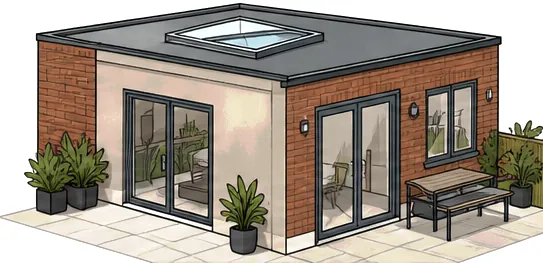
Rear kitchens and utility rooms were added to many houses in the village, usually with a felt or single-ply flat roof. When the covering is near the end of its life, a new rooflight is the moment to deal with it, since cutting into a tired roof is where leaks start.
Cudworth housing, and what it means for a rooflight
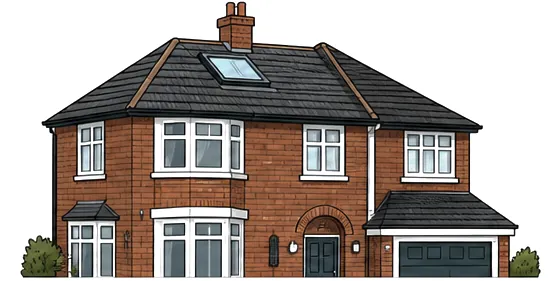
Cudworth grew with the coal industry around it, and much of its older housing is in rows: brick terraces, some with a small yard, built for working families and still lived in today. The roofs on these are usually slate or a later concrete tile, with a lean-to or a pitched back extension that holds the kitchen. Lofts are often shallow, and the rafters can be narrowly spaced, so the best fit is a roof window cut to the gap rather than a standard size forced in.
Beyond the older streets there is a good deal of council-era and private housing from the mid-twentieth century: semi-detached houses and short terraces with simple pitched roofs in concrete tile. Several have a ground-floor extension tacked on behind or beside, and these flat roofs suit a rooflight or a lantern well, because the joists are accessible from below and the roof is easy to reach.
Upper Cudworth, Shafton Two Gates and Shafton add their own mix of detached and semi-detached houses and bungalows, some newer than the rest. A newer roof with trussed rafters is a different job from an old timber roof: the trusses carry load in a particular way, and cutting through more than one of them needs a structural design before anyone picks up a saw.
Because the ground around Cudworth is open and fairly level, there are few natural windbreaks. We take that into account when choosing the glazing. A roof that faces into the prevailing wind can be fitted with a unit built to resist wind-driven rain at the frame edges, while a roof sheltered behind a taller neighbour needs less from the flashing but more from ventilation, because damp tends to linger.
Shafton adds a further layer. Houses there include older brick cottages as well as later private estates, and the roofs range from low-pitched slate to steep concrete tile. A roof window needs a different frame depth on each, and the flashing kit has to match the profile of the tile, which varies between makes. We confirm the profile at survey, since ordering the wrong kit means a second visit that nobody wants.
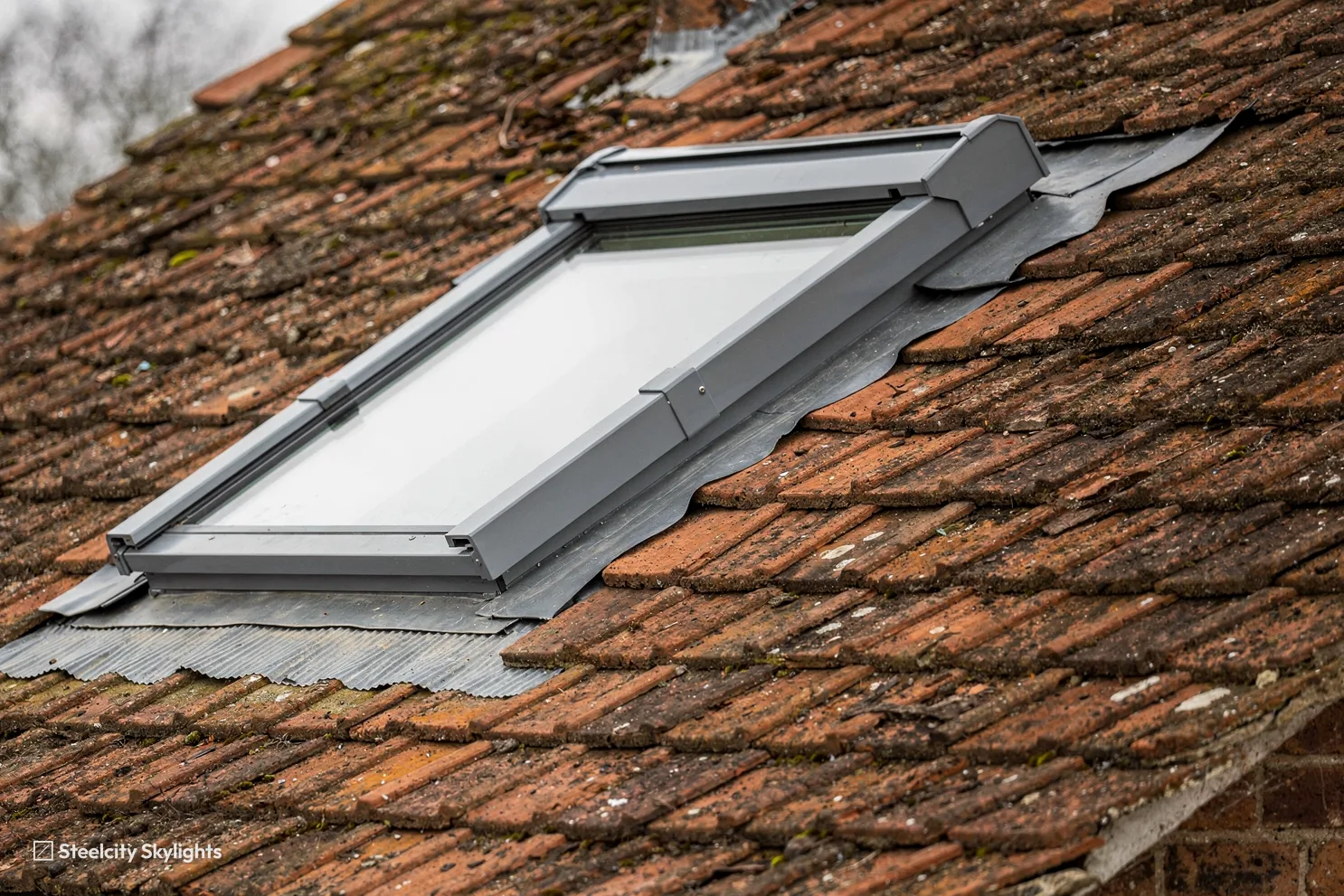
On the mid-century semis with a simple concrete tile roof, the tiles are rarely the problem. What wears is the flashing kit and the underlay behind it, which sit out of sight from the ground. The blind, the handle and the inner trim can all be replaced indoors, but the flashing and the glazing unit mean working on the roof, which is why the life plan names them separately. At survey we lift a few tiles beside the opening to inspect the battens and underlay beneath, then note the tile profile so the flashing kit that arrives matches it.
Rooflight picks for Cudworth's streets
The jobs we put forward here follow the streets: roof windows in terrace and semi lofts, flat rooflights and lanterns on the extensions behind, tubes for the landings in between, and replacements where an earlier unit has failed. The quote lists the wearing parts so a later swap is planned, not a surprise.
 Roof WindowsFor the rear slope of a terrace loft in Cudworth's older streets, cut between narrow rafters and flashed to slate or tile.
 Flat Roof RooflightsFor a rear kitchen or utility extension where the old felt is due for renewal, so the new light and the new covering are done together.
 Roof LanternsFor a wider mid-century extension where the dining end sits well back from the garden doors.
 Sun TunnelsFor the dim stairwell or inside bathroom in a terrace, brought daylight by a short tube through the loft.
 VELUX WindowsFor owners who prefer a well-known branded range, cut to suit the rafters, with a flashing kit from the same range.
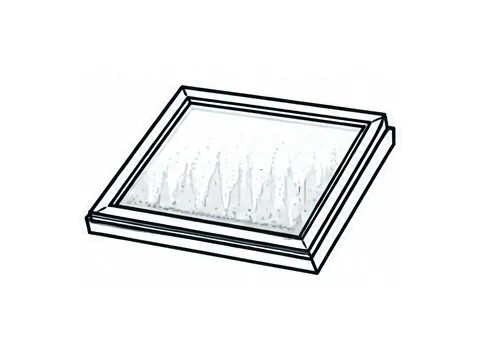 Misted & Failed Rooflight UnitsFor lights that have fogged inside the frame, so the starting point is whether replacement glass alone will do and the roof can stay untouched.
Planning and Building Regulations in Cudworth
Barnsley Metropolitan Borough Council
Applications for Cudworth go to Barnsley Metropolitan Borough Council, covering Cudworth, Upper Cudworth and Shafton. A house can often take a roof window or a flat rooflight without a planning application, and the national conditions that decide it do not change from town to town. The guide linked below holds them, and this page sticks to Cudworth.
Cudworth's centre has no conservation area or Article 4 direction showing in the national planning data. We use that as a starting point and then lay Barnsley's own mapping over your street at survey, in case a boundary sits closer than the headline data suggests.
A flat or maisonette is different from a house, because the permitted development rights for roof alterations belong to houses alone. If your home is a converted property, tell us early so we can raise planning permission and, where relevant, the landlord or freeholder before any survey is booked.
Conservation areas
No conservation area shows beside Cudworth's centre in the national data. Your street is checked on Barnsley's own map at survey.
Homeowners in Shafton and Upper Cudworth sometimes ask if a different council applies to them. It does not: Barnsley covers the whole of the Cudworth area, so one set of local maps and one building control office serves every street.
Every installation is also subject to Building Regulations. When the work is notifiable, the inspection can come from Barnsley's own building control department or from a registered approver, and the paperwork on both sides is our job.
Royston and Grimethorpe on Cudworth's doorstep
Cudworth sits among a cluster of former mining communities, and we cover all of them. Grimethorpe is the closest, under two miles east. Royston is a little over two miles away in the north-west, with Barnsley three miles off in the south-west and Worsbrough just beyond it. Darfield lies south-east, Wombwell due south, Havercroft north and Hemsworth north-east. You will find a page for every place named here. Grimethorpe and Wombwell share Cudworth's brick housing, so the terrace advice carries across, while Havercroft and Hemsworth mix older cottages with newer estates. Barnsley, being the larger town, has a wider variety, from stone villas to modern terraces, and its page treats that range separately. At the first call we start with a simple question about the house: which room do you wish was lighter, and at what time of day is it darkest? The answer usually points to the slope, the unit and the position, and from there the survey does the rest.
Cudworth
Cudworth rooflight work, from first measure to later years
-
Survey
Looking at the roof and the room together
Cudworth is 17.5 road miles north of Sheffield, about 31 minutes by car, so we can usually fit a survey around you. In the loft of a terrace we measure the rafter gap and look at the underside of the slate for old leaks. On an extension we check the joists, the covering and the height of the parapet or fascia. We also check the path for ladders, since terraces with a shared passage need a plan for getting materials through.
-
Install
Fitting into slate, tile and felt
On an older slate roof the slates around the opening come off one at a time and go back on the new flashing. On tile the work is quicker but just as careful about overlaps. On a felt flat roof the old covering is cut back, a level upstand goes up and is sealed to the covering, and a hose test follows before the job is signed off.
-
After the first rains
Checking the work in the first wet month
The first spell of heavy rain is a quick test. Check the lining and the ceiling round the opening for damp, work the sash open and shut, and confirm the frame is dry. On a terrace with a busy kitchen below, mist on the inside of the glass is likelier than a leak, and a trickle vent or an extractor fan usually settles it.
-
Year 12
The wearing parts come up for attention
By the twelfth year the seals and the flashing on the most exposed slopes have faced plenty of wind and rain. The quote's life plan lists those seals alongside the glazed unit and any motor, with the method for each swap and a note on how much of the roof it touches. Where a roof faces the open fields rather than the village, we look at those seals first.
Cudworth households ask about rooflights
Will a roof window fit into the slate roof of a Cudworth terrace?
In most cases it will. The slates round the opening are taken off and relaid, and the window is chosen to fit the gap the rafters leave. A narrow rafter gap may call for a smaller frame, which we measure at survey.
My extension has a felt roof that is getting old. Should I replace it before adding a rooflight?
It is worth thinking about together. Cutting into a covering that is already tired invites trouble, so we look at its condition and tell you whether the new light and a new covering should be done in one visit.
Are there conservation areas in Cudworth that I should know about?
The national planning data records none beside the centre. Before we recommend a unit we still lay Barnsley's map over your street, because a boundary could sit closer than the headline data suggests.
Who inspects the work, and do I need to arrange it?
Notifiable work is inspected by whichever building control body is appointed: Barnsley's own officers, or a registered approver. The notification goes in through us and the completion certificate reaches you afterwards, which is worth keeping with your house papers.
Do you cover Shafton and Upper Cudworth?
Yes. Both are part of the Cudworth area, and so are Royston, Grimethorpe, Darfield and the nearby villages, each of which has its own page, written for it.
Is a sun tunnel an option where a roof window will not fit a Cudworth terrace?
In a shallow terrace loft with narrowly spaced rafters, a roof window is not always the best fit. A sun tunnel needs a round hole of modest size and a tube, and it can light a landing or a bathroom without cutting a rafter if the route runs between two. It gives daylight, not a view or fresh air, so it suits rooms where light is the aim. We look at the route in the loft at survey and say which option the roof allows.